For many businesses, leaks are viewed as minor maintenance issues—small drips, pressure losses, or subtle system inefficiencies that can be addressed later. In reality, undetected leaks can quietly create major financial problems over time. Whether they occur in manufacturing systems, HVAC equipment, refrigeration lines, compressed gas systems, or industrial pipelines, leaks often go unnoticed until operational costs begin climbing or equipment failures become impossible to ignore.
Even seemingly insignificant leaks can waste resources, increase utility expenses, damage equipment, and disrupt productivity. Businesses that fail to identify these problems early often spend far more on repairs, replacements, and lost output than they would on preventative inspections.
Investing in accurate leak detection tools and professional support, including helium leak detector sales and services, helps companies identify hidden issues before they become expensive liabilities.
Rising Utility Costs and Resource Waste
One of the most immediate financial consequences of undetected leaks is increased utility spending. Air leaks in compressed air systems, refrigerant leaks in cooling equipment, and gas leaks in industrial operations all force systems to work harder than necessary. This added strain results in higher energy consumption and inflated monthly operating expenses.
Compressed air leaks are especially costly in manufacturing facilities because even a small leak can waste thousands of dollars in electricity annually. When equipment constantly compensates for lost pressure, businesses may unknowingly pay for energy they are not fully using. Water leaks can create similar issues by driving up utility bills while wasting valuable resources.
Refrigerant leaks also create serious cost concerns for companies that rely on commercial refrigeration systems. Restaurants, grocery stores, pharmaceutical facilities, and warehouses may experience inconsistent cooling performance, spoiled inventory, and higher repair costs when leaks remain unresolved. Businesses that prioritize routine inspections and helium leak detector sales and services can identify hidden system failures before utility bills spiral out of control.
Leaks may also lead to excessive material waste. In industries that depend on specialized gases or chemicals, losing product through damaged seals, faulty valves, or cracked connections directly affects profitability. Over time, these losses add up and reduce overall operational efficiency.
Equipment Damage and Operational Downtime
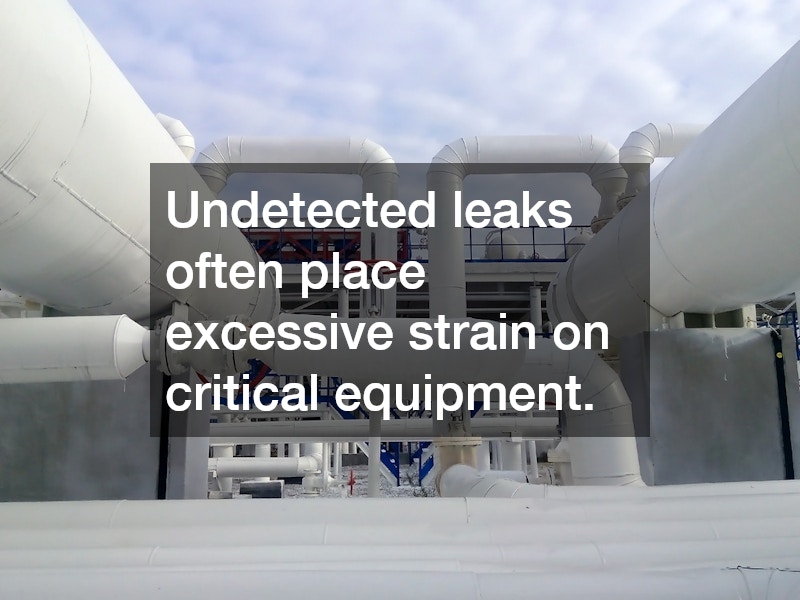
Undetected leaks often place excessive strain on critical equipment. Systems designed to maintain specific pressure levels or temperatures must work harder when leaks are present, leading to accelerated wear and tear. Components may overheat, fail prematurely, or require more frequent maintenance.
For example, refrigeration systems with leaks may force compressors to run continuously, shortening their lifespan and increasing repair expenses. Manufacturing equipment with vacuum leaks may produce inconsistent results, causing product defects or failed quality checks. These operational disruptions can create costly setbacks that affect production schedules and customer satisfaction.
Unexpected downtime can be especially damaging for businesses operating under tight deadlines. A leak that causes machinery failure may halt production for hours or even days. Missed shipments, delayed orders, and dissatisfied customers often create long-term revenue losses beyond the immediate repair costs.
Safety risks can also contribute to financial strain. Gas leaks may create hazardous working conditions that expose businesses to legal liabilities, regulatory fines, or workers’ compensation claims. Preventative maintenance programs that include helium leak detector sales and services help companies locate hard-to-find leaks before they escalate into major operational problems.
In addition to repair expenses, businesses may face replacement costs when damaged equipment becomes beyond repair. Replacing industrial machinery, refrigeration systems, or HVAC components can significantly impact budgets that were not prepared for sudden capital expenditures.
Protecting Profitability Through Proactive Leak Detection
The most effective way to avoid the hidden financial drain of leaks is to implement proactive inspection strategies. Waiting until systems fail often results in far greater expenses than investing in routine monitoring and maintenance.
Advanced leak detection technology allows businesses to identify issues with greater speed and precision. Helium leak testing is particularly effective because helium molecules can escape through extremely small openings that other detection methods may miss. This makes it ideal for industries that require precise system integrity, including aerospace, automotive manufacturing, medical equipment production, and energy operations.
Working with providers that specialize in helium leak detector sales and services gives businesses access to reliable equipment, expert testing support, and ongoing maintenance solutions. These services help organizations maintain system performance while reducing the likelihood of expensive failures.
Routine inspections also improve budgeting predictability. Instead of dealing with surprise breakdowns, companies can schedule repairs strategically and minimize disruptions. Preventative maintenance creates greater operational stability while helping leadership teams manage expenses more effectively.
Businesses that prioritize leak detection often gain a competitive advantage through improved efficiency, lower operating costs, and stronger equipment performance. Small leaks may seem harmless at first, but their financial impact can quietly grow over time.
Undetected leaks rarely fix themselves—and the longer they remain hidden, the more expensive they become. From rising utility bills to damaged equipment and lost productivity, leaks can steadily erode profitability. By investing in preventative maintenance and helium leak detector sales and services, businesses can protect their systems, reduce unnecessary expenses, and preserve long-term financial health.