
Factories and supply chains look nothing like they did even five years ago, and the risks that come with them have changed just as fast. Automation, new materials, tighter delivery windows, and a more mobile workforce have all introduced fresh ways for things to go wrong, from equipment failures to highway accidents involving freight haulers. If you are a consumer, investor, or employee trying to understand how these shifts affect your safety, your purchases, or your community, it helps to know exactly where the pressure points are.
This article breaks down the operational risks reshaping manufacturing and logistics today in plain, practical terms.
Robotics and Automation on the Factory Floor
Modern production lines increasingly rely on robotic arms, automated guided vehicles, and sensor-driven quality checks to keep output high and costs down. This shift toward cutting edge manufacturing has reduced certain repetitive strain injuries but introduced new hazards tied to human-machine interaction zones. Workers now share physical space with fast-moving equipment that does not always detect a person the way another human would. When safety protocols lag behind the technology itself, the risk of serious incidents actually increases rather than decreases.
- Collision sensors and light curtains require regular calibration to stay effective
- Maintenance schedules must account for software updates, not just mechanical wear
- Cross-training helps employees recognize automated system malfunctions early
- Emergency shutoff access should never be blocked by inventory or equipment
Supply Chain Fragility and Single-Source Dependencies
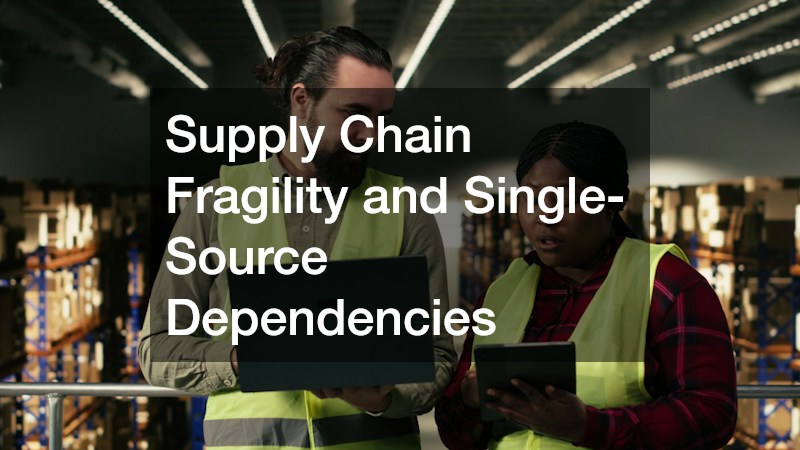
Many manufacturers still depend on a small number of suppliers for critical components, which means a single disruption can halt production across an entire region. Port delays, raw material shortages, and geopolitical instability have all exposed how thin the margin for error really is. Companies that diversify their sourcing tend to recover faster from shocks, but diversification costs money and time that smaller operations may not have. This fragility trickles down to consumers in the form of price increases, product shortages, and longer wait times for everything from appliances to vehicles.
The ripple effects are not limited to finished goods either. Packaging materials, specialty fasteners, and even software components used in industrial equipment can create bottlenecks nobody anticipated. Understanding this helps explain why seemingly unrelated industries sometimes experience shortages at the same time.
Workforce Shortages and Rushed Training Timelines
Manufacturing and logistics companies across the country are struggling to fill open positions, and that gap often gets closed by shortening onboarding and training periods. What once took four to six weeks of supervised instruction on a forklift or packaging line now sometimes gets compressed into a few days, with new hires pushed onto the floor as soon as they can pass a basic certification test. That compressed timeline means workers are learning the nuances of equipment, safety protocols, and facility layout while already under production pressure. New hires operating heavy machinery or driving commercial vehicles with less experience than industry standards once required represent a real safety concern. A driver with only a week behind the wheel of a box truck, for example, hasn’t yet developed the instincts for judging stopping distances in bad weather or navigating a tight loading dock.
The same holds true for warehouse associates running forklifts near pedestrian traffic, where split-second decisions depend on muscle memory that simply takes time to build. Fatigue also plays a bigger role than most people realize, since overtime shifts are frequently used to cover staffing gaps rather than hiring additional workers. Employees logging 12-hour shifts four or five days in a row show measurably slower reaction times and more lapses in judgment, even when they feel capable of pushing through.
Night shift rotations compound the problem further, disrupting sleep cycles in ways that mirror the impairment levels associated with alcohol use. The result is a workforce stretched thin, which tends to correlate with higher rates of preventable incidents. Insurers and safety consultants increasingly point to this combination of inexperience and exhaustion as a leading contributor to equipment damage, product loss, and workplace injuries that could otherwise be avoided with more deliberate staffing and training investments.
- Extended shifts (10-12+ hours) reduce reaction time and increase error rates, with fatigue-related mistakes rising sharply after the 8-hour mark
- Rushed certification programs may skip hands-on practice hours, leaving workers unfamiliar with real-world equipment quirks and failure modes
- Compressed onboarding timelines often prioritize speed-to-floor over competency checks, so workers can be certified without ever handling certain machinery
- High turnover means institutional safety knowledge is constantly being lost, as experienced workers who knew equipment-specific hazards leave before passing that insight along
- Temporary or contract workers sometimes receive less thorough safety training than full-time staff, despite performing similarly hazardous tasks
- Staffing gaps can push companies to cross-train employees quickly for unfamiliar roles, increasing the chance of mistakes in unfamiliar tasks
Commercial Trucking and Highway Safety Risks
Logistics networks depend heavily on long-haul trucking, and with freight volumes rising, more commercial vehicles are on the road than ever before. A car accident involving a fully loaded semi-truck carries far greater consequences than a typical collision between passenger vehicles, both in terms of physical damage and injury severity. Tight delivery schedules can pressure drivers to skip required rest periods, which raises the likelihood of fatigue-related mistakes. If you or a family member is ever involved in a serious crash with a commercial vehicle, consulting with personal injury lawyers early can help you understand liability questions that are often more complicated than they appear, since multiple parties such as the trucking company, maintenance contractor, and cargo loader may all share responsibility.
Weather, poor road maintenance, and outdated vehicle fleets compound these risks further. Fleet operators who invest in regular inspections and driver wellness programs tend to see measurably fewer incidents over time.
Warehouse and Distribution Center Hazards
Warehouses have become denser and faster-moving thanks to automated picking systems and tighter delivery windows set by online retailers. This acceleration hasn’t eliminated human risk — it’s concentrated it, as workers now navigate narrow aisles alongside automated guided vehicles, conveyor systems, and robotic pickers operating on tight schedules. Forklift collisions, falling inventory, and slip-and-fall incidents remain among the most common injury types in these facilities, with OSHA consistently ranking warehousing among the higher-hazard sectors for recordable injuries. High shelving units packed to capacity increase the risk of items shifting or falling unexpectedly, especially during peak shipping seasons like the holiday rush when storage is pushed to its limits. Improperly secured pallets, overloaded racking, and uneven weight distribution can turn a routine retrieval into a serious incident. Narrow aisles compound the problem, leaving little margin for error when forklifts and pedestrian workers share the same tight corridors.
Seasonal staffing surges add another layer of risk, since temporary workers often receive abbreviated training before being placed on the floor during the busiest and most hazardous stretches of the year. Fatigue from extended shifts and mandatory overtime further erodes attentiveness, making slip-and-fall and lifting injuries more likely late in a shift. Many of these incidents are preventable with consistent safety audits, clear floor markings, and regular equipment inspections, but the pressure to maintain speed often competes directly with the time needed to do those audits properly.
- Clearly marked pedestrian walkways, floor striping, and mirrors at blind corners reduce forklift-related injuries, which remain among OSHA’s most cited warehouse violations
- Regular shelving inspections, including load capacity checks and rack anchor tests, catch structural weaknesses before a collapse causes injury or inventory loss
- Proper footwear, slip-resistant flooring, and prompt spill cleanup protocols lower slip-and-fall rates, one of the leading causes of lost-time warehouse injuries
- Seasonal staffing surges require refreshed safety orientation, not shortcuts, since temporary and new hires face disproportionately higher injury rates in their first 30 days
- Scheduled equipment audits for conveyors, pallet jacks, and lift trucks prevent mechanical failures from becoming on-the-floor incidents
Equipment Relocation and Facility Expansion Risks
As companies scale up or shift locations to be closer to new markets, moving heavy machinery and inventory becomes its own operational challenge. Corporate moving of industrial equipment requires specialized planning, since standard moving procedures are not built for multi-ton presses, conveyor systems, or sensitive electronics. Improper lifting, inadequate rigging, or rushed timelines during a facility relocation can damage equipment or injure workers involved in the process. Companies that plan these transitions months in advance, rather than treating them as a weekend project, tend to avoid the costly downtime that comes with equipment damage or workplace injuries.
When Accidents Happen and Legal Protections Matter
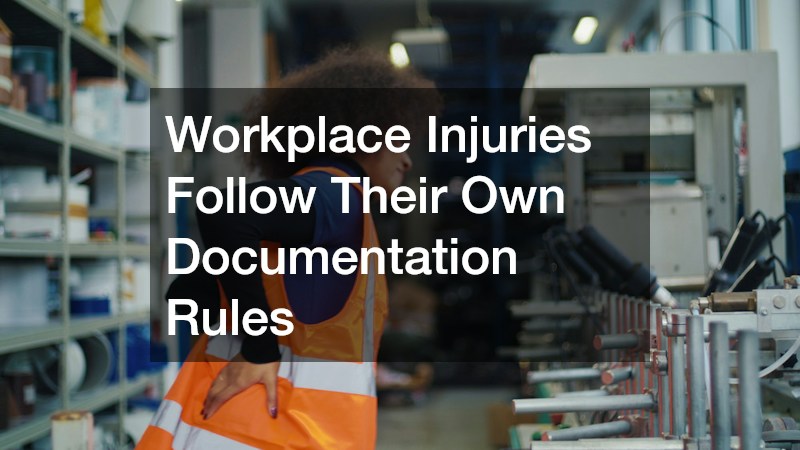
Despite best efforts, incidents still occur, and knowing your options afterward matters just as much as understanding the risks themselves. If you are injured due to unsafe conditions at a workplace, a defective product, or a transportation-related incident, researching the best personal injury lawyer in your area before you need one can save valuable time during a stressful situation. Look for attorneys with specific experience in industrial or commercial cases, since these often involve more complex evidence than a typical personal injury claim. Many offer free initial consultations, which give you a low-pressure way to understand whether you have a viable case.
It is also worth noting that some firms specifically market themselves as the best car accident attorney for commercial vehicle cases, which can be a meaningful distinction if your situation involves a freight truck or company fleet vehicle. Asking about their track record with similar cases, rather than general advertising claims, gives you a clearer picture of what to expect.
Conclusion
Operational risk in manufacturing and logistics is not a single problem but a web of interconnected pressures, from automation and staffing to supply chains and transportation safety. Understanding these dynamics helps you make better decisions, whether you are evaluating a potential employer, a company you invest in, or simply trying to stay safe on the road near commercial vehicles. Take time to research the specific risks relevant to your situation, and keep trusted contacts on hand in case you ever need professional guidance after an incident. Being informed now is far easier than scrambling for answers after something goes wrong.
