
Creating the perfect commercial property requires a combination of strategic planning, quality materials, skilled workmanship, and ongoing maintenance. A successful commercial building must provide more than a functional workspace. It should offer durability, energy efficiency, safety, and an attractive environment that supports the goals of business owners, employees, customers, and tenants.
Every component of a commercial property contributes to its overall performance. The roof protects the structure from harsh weather conditions, exterior finishes influence curb appeal and durability, concrete systems provide structural support, and mechanical equipment maintains a comfortable indoor environment. Security features, environmental considerations, and proper waste management also impact the long-term success of a commercial facility.
Whether developing a new building or upgrading an existing property, owners must consider how each construction decision affects future maintenance, operating costs, and building longevity. Working with experienced professionals, including roofing specialists, concrete contractors, HVAC technicians, and other qualified service providers, can help create a property that performs reliably for years.
A well-designed commercial property is built through careful attention to every detail. From selecting durable materials like architectural metal panel systems to scheduling routine maintenance and repairs, every investment contributes to creating a safe, efficient, and valuable commercial space.
- What Are the Critical Considerations for Commercial Roofing?
- How Does Powder Coating Benefit Commercial Properties?
- What Is the Role of Architectural Metal Panels in Commercial Properties?
- When Should You Consider Commercial Concrete Repair?
- How Important Is HVAC Service in Maintaining Commercial Properties?
- What Are the Critical Considerations for Commercial Roofing?
- How Does Powder Coating Benefit Commercial Properties?
- What Is the Role of Architectural Metal Panels in Commercial Properties?
- When Should You Consider Commercial Concrete Repair?
- How Important Is HVAC Service in Maintaining Commercial Properties?
- What Are the Critical Considerations for Commercial Roofing?
- How Does Powder Coating Benefit Commercial Properties?
- What Is the Role of Architectural Metal Panels in Commercial Properties?
- When Should You Consider Commercial Concrete Repair?
- How Important Is HVAC Service in Maintaining Commercial Properties?
What Are the Critical Considerations for Commercial Roofing?
The roof is one of the most important parts of any commercial building. A properly designed commercial roofing system protects the structure, equipment, inventory, and occupants from moisture, temperature changes, wind, and other environmental conditions.
Because commercial buildings often have larger roof areas and different performance requirements than residential properties, choosing the correct materials and installation methods is essential. The right roofing system can improve energy efficiency, reduce repair costs, and extend the overall lifespan of the building.
Types of Commercial Roofing Materials
Commercial properties can utilize several different roofing systems depending on the building design, climate, budget, and operational needs. Common options include single-ply membrane systems, metal roofing, built-up roofing, modified bitumen roofing, and roof coatings.
TPO and EPDM membrane systems are popular choices for many commercial applications because they offer flexibility, durability, and resistance to weather exposure. Metal roofing systems are also widely used because of their strength, longevity, and ability to withstand demanding environments.
Selecting the right material requires consideration of factors such as expected maintenance requirements, insulation needs, energy goals, and local weather conditions. A professional evaluation can help determine which roofing option provides the best long-term value.
Lifespan and Maintenance of Commercial Roofs
Even the highest-quality commercial roofing system requires regular maintenance to achieve maximum performance. Routine inspections allow property owners to identify potential problems before they become major issues.
Maintenance tasks may include cleaning drainage systems, inspecting seams, checking flashing, repairing damaged areas, and evaluating signs of leaks or moisture intrusion. Small problems that are ignored can eventually lead to structural damage and costly repairs.
A proactive maintenance schedule helps protect the building investment and allows owners to address issues before they interfere with business operations.
Cost-Effectiveness and Energy Efficiency
Energy efficiency is an important consideration when selecting a commercial roofing system. Reflective roofing materials can reduce heat absorption, helping maintain more consistent indoor temperatures and reducing stress on HVAC equipment.
Although some roofing materials may have higher upfront costs, durable and energy-efficient options can provide savings over the life of the building. Reduced repair needs, lower energy consumption, and longer replacement cycles all contribute to better long-term financial performance.
Choosing the Right Roofing Contractor
The contractor responsible for installing a commercial roof plays a major role in the success of the project. Proper installation is just as important as selecting high-quality materials.
Property owners should look for contractors with experience handling commercial buildings, knowledge of industry standards, and a reputation for reliable workmanship. An experienced contractor can help with material selection, installation procedures, maintenance planning, and warranty requirements.
Impact of Climate on Roofing Choices
Climate conditions should always influence roofing decisions. Buildings exposed to heavy rain, snowfall, high winds, extreme heat, or freezing temperatures require materials designed to withstand those challenges.
A roofing system selected for the local environment will typically provide better performance and require fewer repairs throughout its service life.
How Does Powder Coating Benefit Commercial Properties?
Metal components are common throughout commercial buildings, including fencing, railings, doors, structural elements, and decorative features. Protecting these surfaces from corrosion and weather exposure is essential for maintaining both appearance and functionality.
Powder coating provides a durable finishing solution that improves the lifespan and appearance of metal materials used throughout commercial properties.
Understanding Powder Coating Technology
Powder coating is a finishing process that applies dry powder particles to metal surfaces before curing them with heat. During curing, the powder forms a strong protective layer that bonds to the surface.
This process creates a consistent finish that is resistant to scratches, fading, chipping, and environmental damage. Unlike traditional paint applications, powder coating does not require liquid solvents and can provide a thicker protective layer.
Durability and Protection From Corrosion
One of the biggest advantages of powder coating is its ability to protect metal from corrosion. Commercial properties often expose exterior materials to moisture, temperature changes, and heavy daily use.
A properly applied powder-coated finish helps prevent deterioration and reduces the need for frequent refinishing. This makes it a practical choice for property owners looking for durable, low-maintenance solutions.
Environmental Considerations
Powder coating is also recognized for its environmental benefits. The application process produces less waste compared with many traditional finishing methods, and unused powder can often be collected and reused.
For businesses interested in sustainable construction practices, powder coating can be part of a broader effort to reduce environmental impact while maintaining high-quality finishes.
Aesthetic Enhancements With Powder Coating
Commercial properties must balance functionality with appearance. Powder coating is available in many colors, textures, and finishes, allowing owners to customize metal features to complement the building design.
From modern office buildings to industrial facilities, powder-coated surfaces can improve curb appeal while providing long-lasting protection.
Choosing Quality Powder Coating Services
The quality of the application process directly affects the performance of the finished product. Proper preparation, equipment, and curing techniques are necessary for achieving reliable results.
Working with experienced powder coating professionals helps ensure that metal components maintain their appearance and durability over time.
What Is the Role of Architectural Metal Panels in Commercial Properties?
Exterior design plays an important role in the functionality, appearance, and durability of a commercial property. Modern buildings often incorporate metal exterior systems because they provide a combination of strength, weather resistance, and design flexibility.
An architectural metal panel system can create a clean, contemporary appearance while also protecting the building envelope from environmental exposure. These systems are commonly used for offices, retail facilities, industrial buildings, educational facilities, and other commercial structures.
Types and Styles of Architectural Metal Panels
Architectural metal panel systems are available in many different materials, styles, and finishes. Common options include aluminum panels, steel panels, insulated metal panels, and composite metal systems.
The right selection depends on the building’s design goals, insulation requirements, budget, and expected maintenance needs. Some panels are chosen primarily for appearance, while others provide additional benefits such as improved energy efficiency and weather protection.
An architectural metal panel can be customized with different colors, textures, profiles, and finishes to complement nearly any commercial design. This flexibility allows property owners and architects to create unique building exteriors without sacrificing durability.
Installation Process and Techniques
Proper installation is essential to achieving the expected performance of metal panel systems. Even high-quality materials may fail prematurely if they are installed incorrectly.
Professional installers must consider factors such as structural support, panel alignment, moisture management, expansion and contraction caused by temperature changes, and attachment methods.
A properly installed system creates a protective barrier that helps prevent water intrusion while maintaining the intended appearance of the building.
Advantages of Using Metal Panels
Commercial property owners choose architectural metal panels because of their durability, versatility, and low maintenance requirements. Metal systems can withstand harsh weather conditions while maintaining their appearance for many years.
They are also lightweight compared with some traditional exterior materials, which can simplify installation and reduce structural demands. Many metal panel systems can contribute to improved insulation performance when combined with appropriate building materials.
Maintenance and Longevity
Although metal panels require relatively little maintenance, routine inspections help preserve their condition. Cleaning accumulated dirt, checking fasteners, and addressing minor damage early can prevent larger problems.
Regular maintenance also helps protect the building’s appearance and prevents small issues from affecting the overall exterior system.
Finding the Right Supplier
Selecting a dependable supplier is an important step in any commercial construction project. A quality supplier provides reliable materials, accurate specifications, and support throughout the purchasing and installation process.
Working with experienced suppliers helps ensure that the selected architectural metal panel system meets the project’s design and performance requirements.
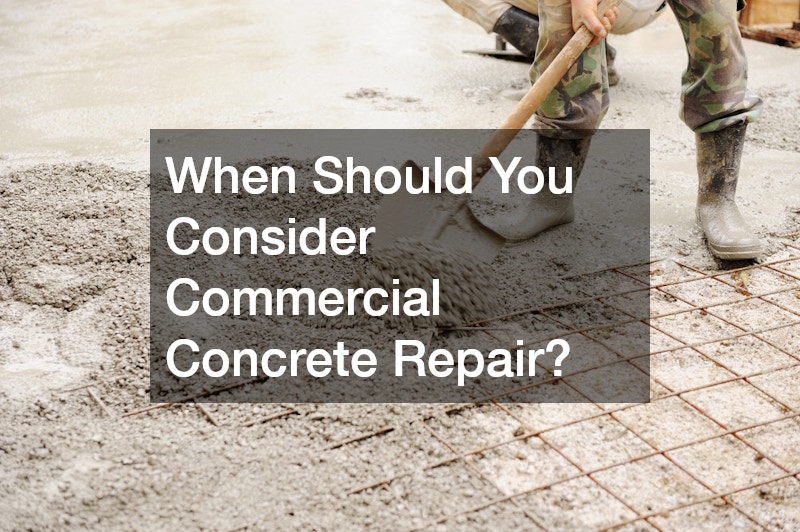
When Should You Consider Commercial Concrete Repair?
Concrete is one of the most widely used materials in commercial construction because of its strength, durability, and versatility. Parking lots, sidewalks, foundations, loading areas, and building structures all depend on properly installed concrete systems.
Over time, exposure to weather, heavy traffic, moisture, and temperature fluctuations can cause deterioration. Addressing these issues through commercial concrete repair can help maintain safety and prevent more expensive structural problems.
Identifying Signs of Concrete Damage
Property owners should regularly inspect concrete surfaces for signs of deterioration. Common warning signs include cracks, uneven surfaces, crumbling edges, exposed aggregate, and areas where water collects.
While some minor cracking may be expected over time, larger cracks or significant surface damage may indicate underlying issues that require professional attention.
Early identification allows repairs to be completed before damage spreads and affects larger sections of the property.
Repair Methods and Techniques
The appropriate repair method depends on the type and severity of the damage. Some repairs involve filling cracks or resurfacing damaged areas, while more serious problems may require removing and replacing sections of concrete.
Experienced professionals evaluate the condition of the material before recommending a solution. Proper preparation, quality materials, and correct installation techniques are essential for long-lasting repairs.
Cost-Effectiveness of Timely Repairs
Ignoring concrete damage can result in higher costs over time. Small cracks can expand, uneven surfaces can create safety hazards, and water intrusion can contribute to additional deterioration.
Investing in commercial concrete repair early helps preserve the property’s value and reduces the likelihood of major reconstruction projects.
Finding Reliable Concrete Repair Contractors
Choosing the right contractor is important for achieving quality results. Property owners should consider experience, previous commercial projects, reputation, and knowledge of local construction requirements.
A skilled contractor can identify the cause of damage and provide solutions that address both immediate concerns and long-term performance.
Preventive Measures and Routine Inspections
Preventive maintenance is one of the best ways to extend the lifespan of concrete surfaces. Routine inspections allow property owners to identify developing issues and schedule repairs before conditions worsen.
Proper drainage, sealing, cleaning, and regular evaluations can help protect concrete investments.
How Important Is HVAC Service in Maintaining Commercial Properties?
A comfortable indoor environment is essential for businesses, employees, customers, and tenants. Heating, ventilation, and air conditioning systems regulate temperature, improve air quality, and support productive building environments.
Because commercial HVAC systems are often larger and more complex than residential systems, professional HVAC Service is necessary to maintain efficiency and reliability.
Understanding HVAC Systems
Commercial HVAC systems may include rooftop units, centralized heating and cooling equipment, ventilation systems, air filtration components, and automated controls.
These systems are designed to handle larger spaces and higher occupancy levels. Understanding how each component works allows property managers to maintain better performance.
Regular Maintenance Practices
Routine maintenance is essential for preventing unexpected breakdowns and extending equipment life. HVAC maintenance commonly includes filter replacement, inspection of mechanical components, cleaning, system testing, and checking refrigerant levels.
Regular service appointments help identify problems early and keep systems operating efficiently.
Energy Efficiency and Cost Savings
An efficient HVAC system can significantly reduce operating expenses. Poorly maintained equipment often works harder than necessary, increasing energy consumption and accelerating wear.
Professional HVAC Service helps maintain proper performance, reduce energy waste, and create a more comfortable environment.
Choosing Reliable HVAC Service Providers
Selecting a qualified HVAC provider is an important decision for commercial property owners. Experienced technicians understand the unique demands of commercial systems and can provide installation, repairs, and maintenance.
A dependable service provider can help develop a maintenance schedule that matches the needs of the building.
Troubleshooting Common HVAC Issues
Common commercial HVAC problems include uneven temperatures, poor airflow, unusual sounds, increased energy costs, and frequent system cycling.
Addressing these issues quickly can prevent larger failures and reduce disruptions to normal business operations.
Creating the perfect commercial property requires attention to every detail, from the initial design and construction phases to ongoing maintenance and improvements. By investing in durable materials, reliable service providers, and proactive maintenance strategies, property owners can create buildings that remain functional, efficient, and valuable for years to come. Elements such as commercial roofing, powder coating, architectural metal panel systems, concrete maintenance, HVAC Service, security solutions, and proper waste management all contribute to a successful commercial environment.
Working with experienced professionals, including concrete contractors, aluminum fence companies, asbestos removal specialists, and trusted suppliers for materials like masonry supplies, helps ensure every aspect of the property meets performance and safety expectations. With careful planning and the right construction partners, businesses can develop commercial spaces that support daily operations, reduce long-term costs, and provide lasting value. Proper upkeep, including timely repairs and responsible dumpster rental practices, will help protect the investment and maintain the property’s condition for the future.
Creating the perfect commercial property requires a combination of strategic planning, quality materials, skilled workmanship, and ongoing maintenance. A successful commercial building must provide more than a functional workspace. It should offer durability, energy efficiency, safety, and an attractive environment that supports the goals of business owners, employees, customers, and tenants.
Every component of a commercial property contributes to its overall performance. The roof protects the structure from harsh weather conditions, exterior finishes influence curb appeal and durability, concrete systems provide structural support, and mechanical equipment maintains a comfortable indoor environment. Security features, environmental considerations, and proper waste management also impact the long-term success of a commercial facility.
Whether developing a new building or upgrading an existing property, owners must consider how each construction decision affects future maintenance, operating costs, and building longevity. Working with experienced professionals, including roofing specialists, concrete contractors, HVAC technicians, and other qualified service providers, can help create a property that performs reliably for years.
A well-designed commercial property is built through careful attention to every detail. From selecting durable materials like architectural metal panel systems to scheduling routine maintenance and repairs, every investment contributes to creating a safe, efficient, and valuable commercial space.
What Are the Critical Considerations for Commercial Roofing?
The roof is one of the most important parts of any commercial building. A properly designed commercial roofing system protects the structure, equipment, inventory, and occupants from moisture, temperature changes, wind, and other environmental conditions.
Because commercial buildings often have larger roof areas and different performance requirements than residential properties, choosing the correct materials and installation methods is essential. The right roofing system can improve energy efficiency, reduce repair costs, and extend the overall lifespan of the building.
Types of Commercial Roofing Materials
Commercial properties can utilize several different roofing systems depending on the building design, climate, budget, and operational needs. Common options include single-ply membrane systems, metal roofing, built-up roofing, modified bitumen roofing, and roof coatings.
TPO and EPDM membrane systems are popular choices for many commercial applications because they offer flexibility, durability, and resistance to weather exposure. Metal roofing systems are also widely used because of their strength, longevity, and ability to withstand demanding environments.
Selecting the right material requires consideration of factors such as expected maintenance requirements, insulation needs, energy goals, and local weather conditions. A professional evaluation can help determine which roofing option provides the best long-term value.
Lifespan and Maintenance of Commercial Roofs
Even the highest-quality commercial roofing system requires regular maintenance to achieve maximum performance. Routine inspections allow property owners to identify potential problems before they become major issues.
Maintenance tasks may include cleaning drainage systems, inspecting seams, checking flashing, repairing damaged areas, and evaluating signs of leaks or moisture intrusion. Small problems that are ignored can eventually lead to structural damage and costly repairs.
A proactive maintenance schedule helps protect the building investment and allows owners to address issues before they interfere with business operations.
Cost-Effectiveness and Energy Efficiency
Energy efficiency is an important consideration when selecting a commercial roofing system. Reflective roofing materials can reduce heat absorption, helping maintain more consistent indoor temperatures and reducing stress on HVAC equipment.
Although some roofing materials may have higher upfront costs, durable and energy-efficient options can provide savings over the life of the building. Reduced repair needs, lower energy consumption, and longer replacement cycles all contribute to better long-term financial performance.
Choosing the Right Roofing Contractor
The contractor responsible for installing a commercial roof plays a major role in the success of the project. Proper installation is just as important as selecting high-quality materials.
Property owners should look for contractors with experience handling commercial buildings, knowledge of industry standards, and a reputation for reliable workmanship. An experienced contractor can help with material selection, installation procedures, maintenance planning, and warranty requirements.
Impact of Climate on Roofing Choices
Climate conditions should always influence roofing decisions. Buildings exposed to heavy rain, snowfall, high winds, extreme heat, or freezing temperatures require materials designed to withstand those challenges.
A roofing system selected for the local environment will typically provide better performance and require fewer repairs throughout its service life.
How Does Powder Coating Benefit Commercial Properties?
Metal components are common throughout commercial buildings, including fencing, railings, doors, structural elements, and decorative features. Protecting these surfaces from corrosion and weather exposure is essential for maintaining both appearance and functionality.
Powder coating provides a durable finishing solution that improves the lifespan and appearance of metal materials used throughout commercial properties.
Understanding Powder Coating Technology
Powder coating is a finishing process that applies dry powder particles to metal surfaces before curing them with heat. During curing, the powder forms a strong protective layer that bonds to the surface.
This process creates a consistent finish that is resistant to scratches, fading, chipping, and environmental damage. Unlike traditional paint applications, powder coating does not require liquid solvents and can provide a thicker protective layer.
Durability and Protection From Corrosion
One of the biggest advantages of powder coating is its ability to protect metal from corrosion. Commercial properties often expose exterior materials to moisture, temperature changes, and heavy daily use.
A properly applied powder-coated finish helps prevent deterioration and reduces the need for frequent refinishing. This makes it a practical choice for property owners looking for durable, low-maintenance solutions.
Environmental Considerations
Powder coating is also recognized for its environmental benefits. The application process produces less waste compared with many traditional finishing methods, and unused powder can often be collected and reused.
For businesses interested in sustainable construction practices, powder coating can be part of a broader effort to reduce environmental impact while maintaining high-quality finishes.
Aesthetic Enhancements With Powder Coating
Commercial properties must balance functionality with appearance. Powder coating is available in many colors, textures, and finishes, allowing owners to customize metal features to complement the building design.
From modern office buildings to industrial facilities, powder-coated surfaces can improve curb appeal while providing long-lasting protection.
Choosing Quality Powder Coating Services
The quality of the application process directly affects the performance of the finished product. Proper preparation, equipment, and curing techniques are necessary for achieving reliable results.
Working with experienced powder coating professionals helps ensure that metal components maintain their appearance and durability over time.
What Is the Role of Architectural Metal Panels in Commercial Properties?
Exterior design plays an important role in the functionality, appearance, and durability of a commercial property. Modern buildings often incorporate metal exterior systems because they provide a combination of strength, weather resistance, and design flexibility.
An architectural metal panel system can create a clean, contemporary appearance while also protecting the building envelope from environmental exposure. These systems are commonly used for offices, retail facilities, industrial buildings, educational facilities, and other commercial structures.
Types and Styles of Architectural Metal Panels
Architectural metal panel systems are available in many different materials, styles, and finishes. Common options include aluminum panels, steel panels, insulated metal panels, and composite metal systems.
The right selection depends on the building’s design goals, insulation requirements, budget, and expected maintenance needs. Some panels are chosen primarily for appearance, while others provide additional benefits such as improved energy efficiency and weather protection.
An architectural metal panel can be customized with different colors, textures, profiles, and finishes to complement nearly any commercial design. This flexibility allows property owners and architects to create unique building exteriors without sacrificing durability.
Installation Process and Techniques
Proper installation is essential to achieving the expected performance of metal panel systems. Even high-quality materials may fail prematurely if they are installed incorrectly.
Professional installers must consider factors such as structural support, panel alignment, moisture management, expansion and contraction caused by temperature changes, and attachment methods.
A properly installed system creates a protective barrier that helps prevent water intrusion while maintaining the intended appearance of the building.
Advantages of Using Metal Panels
Commercial property owners choose architectural metal panels because of their durability, versatility, and low maintenance requirements. Metal systems can withstand harsh weather conditions while maintaining their appearance for many years.
They are also lightweight compared with some traditional exterior materials, which can simplify installation and reduce structural demands. Many metal panel systems can contribute to improved insulation performance when combined with appropriate building materials.
Maintenance and Longevity
Although metal panels require relatively little maintenance, routine inspections help preserve their condition. Cleaning accumulated dirt, checking fasteners, and addressing minor damage early can prevent larger problems.
Regular maintenance also helps protect the building’s appearance and prevents small issues from affecting the overall exterior system.
Finding the Right Supplier
Selecting a dependable supplier is an important step in any commercial construction project. A quality supplier provides reliable materials, accurate specifications, and support throughout the purchasing and installation process.
Working with experienced suppliers helps ensure that the selected architectural metal panel system meets the project’s design and performance requirements.
When Should You Consider Commercial Concrete Repair?
Concrete is one of the most widely used materials in commercial construction because of its strength, durability, and versatility. Parking lots, sidewalks, foundations, loading areas, and building structures all depend on properly installed concrete systems.
Over time, exposure to weather, heavy traffic, moisture, and temperature fluctuations can cause deterioration. Addressing these issues through commercial concrete repair can help maintain safety and prevent more expensive structural problems.
Identifying Signs of Concrete Damage
Property owners should regularly inspect concrete surfaces for signs of deterioration. Common warning signs include cracks, uneven surfaces, crumbling edges, exposed aggregate, and areas where water collects.
While some minor cracking may be expected over time, larger cracks or significant surface damage may indicate underlying issues that require professional attention.
Early identification allows repairs to be completed before damage spreads and affects larger sections of the property.
Repair Methods and Techniques
The appropriate repair method depends on the type and severity of the damage. Some repairs involve filling cracks or resurfacing damaged areas, while more serious problems may require removing and replacing sections of concrete.
Experienced professionals evaluate the condition of the material before recommending a solution. Proper preparation, quality materials, and correct installation techniques are essential for long-lasting repairs.
Cost-Effectiveness of Timely Repairs
Ignoring concrete damage can result in higher costs over time. Small cracks can expand, uneven surfaces can create safety hazards, and water intrusion can contribute to additional deterioration.
Investing in commercial concrete repair early helps preserve the property’s value and reduces the likelihood of major reconstruction projects.
Finding Reliable Concrete Repair Contractors
Choosing the right contractor is important for achieving quality results. Property owners should consider experience, previous commercial projects, reputation, and knowledge of local construction requirements.
A skilled contractor can identify the cause of damage and provide solutions that address both immediate concerns and long-term performance.
Preventive Measures and Routine Inspections
Preventive maintenance is one of the best ways to extend the lifespan of concrete surfaces. Routine inspections allow property owners to identify developing issues and schedule repairs before conditions worsen.
Proper drainage, sealing, cleaning, and regular evaluations can help protect concrete investments.
How Important Is HVAC Service in Maintaining Commercial Properties?
A comfortable indoor environment is essential for businesses, employees, customers, and tenants. Heating, ventilation, and air conditioning systems regulate temperature, improve air quality, and support productive building environments.
Because commercial HVAC systems are often larger and more complex than residential systems, professional HVAC Service is necessary to maintain efficiency and reliability.
Understanding HVAC Systems
Commercial HVAC systems may include rooftop units, centralized heating and cooling equipment, ventilation systems, air filtration components, and automated controls.
These systems are designed to handle larger spaces and higher occupancy levels. Understanding how each component works allows property managers to maintain better performance.
Regular Maintenance Practices
Routine maintenance is essential for preventing unexpected breakdowns and extending equipment life. HVAC maintenance commonly includes filter replacement, inspection of mechanical components, cleaning, system testing, and checking refrigerant levels.
Regular service appointments help identify problems early and keep systems operating efficiently.
Energy Efficiency and Cost Savings
An efficient HVAC system can significantly reduce operating expenses. Poorly maintained equipment often works harder than necessary, increasing energy consumption and accelerating wear.
Professional HVAC Service helps maintain proper performance, reduce energy waste, and create a more comfortable environment.
Choosing Reliable HVAC Service Providers
Selecting a qualified HVAC provider is an important decision for commercial property owners. Experienced technicians understand the unique demands of commercial systems and can provide installation, repairs, and maintenance.
A dependable service provider can help develop a maintenance schedule that matches the needs of the building.
Troubleshooting Common HVAC Issues
Common commercial HVAC problems include uneven temperatures, poor airflow, unusual sounds, increased energy costs, and frequent system cycling.
Addressing these issues quickly can prevent larger failures and reduce disruptions to normal business operations.
Creating the perfect commercial property requires attention to every detail, from the initial design and construction phases to ongoing maintenance and improvements. By investing in durable materials, reliable service providers, and proactive maintenance strategies, property owners can create buildings that remain functional, efficient, and valuable for years to come. Elements such as commercial roofing, powder coating, architectural metal panel systems, concrete maintenance, HVAC Service, security solutions, and proper waste management all contribute to a successful commercial environment.
Working with experienced professionals, including concrete contractors, aluminum fence companies, asbestos removal specialists, and trusted suppliers for materials like masonry supplies, helps ensure every aspect of the property meets performance and safety expectations. With careful planning and the right construction partners, businesses can develop commercial spaces that support daily operations, reduce long-term costs, and provide lasting value. Proper upkeep, including timely repairs and responsible dumpster rental practices, will help protect the investment and maintain the property’s condition for the future.
Creating the perfect commercial property requires a combination of strategic planning, quality materials, skilled workmanship, and ongoing maintenance. A successful commercial building must provide more than a functional workspace. It should offer durability, energy efficiency, safety, and an attractive environment that supports the goals of business owners, employees, customers, and tenants.
Every component of a commercial property contributes to its overall performance. The roof protects the structure from harsh weather conditions, exterior finishes influence curb appeal and durability, concrete systems provide structural support, and mechanical equipment maintains a comfortable indoor environment. Security features, environmental considerations, and proper waste management also impact the long-term success of a commercial facility.
Whether developing a new building or upgrading an existing property, owners must consider how each construction decision affects future maintenance, operating costs, and building longevity. Working with experienced professionals, including roofing specialists, concrete contractors, HVAC technicians, and other qualified service providers, can help create a property that performs reliably for years.
A well-designed commercial property is built through careful attention to every detail. From selecting durable materials like architectural metal panel systems to scheduling routine maintenance and repairs, every investment contributes to creating a safe, efficient, and valuable commercial space.
What Are the Critical Considerations for Commercial Roofing?
The roof is one of the most important parts of any commercial building. A properly designed commercial roofing system protects the structure, equipment, inventory, and occupants from moisture, temperature changes, wind, and other environmental conditions.
Because commercial buildings often have larger roof areas and different performance requirements than residential properties, choosing the correct materials and installation methods is essential. The right roofing system can improve energy efficiency, reduce repair costs, and extend the overall lifespan of the building.
Types of Commercial Roofing Materials
Commercial properties can utilize several different roofing systems depending on the building design, climate, budget, and operational needs. Common options include single-ply membrane systems, metal roofing, built-up roofing, modified bitumen roofing, and roof coatings.
TPO and EPDM membrane systems are popular choices for many commercial applications because they offer flexibility, durability, and resistance to weather exposure. Metal roofing systems are also widely used because of their strength, longevity, and ability to withstand demanding environments.
Selecting the right material requires consideration of factors such as expected maintenance requirements, insulation needs, energy goals, and local weather conditions. A professional evaluation can help determine which roofing option provides the best long-term value.
Lifespan and Maintenance of Commercial Roofs
Even the highest-quality commercial roofing system requires regular maintenance to achieve maximum performance. Routine inspections allow property owners to identify potential problems before they become major issues.
Maintenance tasks may include cleaning drainage systems, inspecting seams, checking flashing, repairing damaged areas, and evaluating signs of leaks or moisture intrusion. Small problems that are ignored can eventually lead to structural damage and costly repairs.
A proactive maintenance schedule helps protect the building investment and allows owners to address issues before they interfere with business operations.
Cost-Effectiveness and Energy Efficiency
Energy efficiency is an important consideration when selecting a commercial roofing system. Reflective roofing materials can reduce heat absorption, helping maintain more consistent indoor temperatures and reducing stress on HVAC equipment.
Although some roofing materials may have higher upfront costs, durable and energy-efficient options can provide savings over the life of the building. Reduced repair needs, lower energy consumption, and longer replacement cycles all contribute to better long-term financial performance.
Choosing the Right Roofing Contractor
The contractor responsible for installing a commercial roof plays a major role in the success of the project. Proper installation is just as important as selecting high-quality materials.
Property owners should look for contractors with experience handling commercial buildings, knowledge of industry standards, and a reputation for reliable workmanship. An experienced contractor can help with material selection, installation procedures, maintenance planning, and warranty requirements.
Impact of Climate on Roofing Choices
Climate conditions should always influence roofing decisions. Buildings exposed to heavy rain, snowfall, high winds, extreme heat, or freezing temperatures require materials designed to withstand those challenges.
A roofing system selected for the local environment will typically provide better performance and require fewer repairs throughout its service life.
How Does Powder Coating Benefit Commercial Properties?
Metal components are common throughout commercial buildings, including fencing, railings, doors, structural elements, and decorative features. Protecting these surfaces from corrosion and weather exposure is essential for maintaining both appearance and functionality.
Powder coating provides a durable finishing solution that improves the lifespan and appearance of metal materials used throughout commercial properties.
Understanding Powder Coating Technology
Powder coating is a finishing process that applies dry powder particles to metal surfaces before curing them with heat. During curing, the powder forms a strong protective layer that bonds to the surface.
This process creates a consistent finish that is resistant to scratches, fading, chipping, and environmental damage. Unlike traditional paint applications, powder coating does not require liquid solvents and can provide a thicker protective layer.
Durability and Protection From Corrosion
One of the biggest advantages of powder coating is its ability to protect metal from corrosion. Commercial properties often expose exterior materials to moisture, temperature changes, and heavy daily use.
A properly applied powder-coated finish helps prevent deterioration and reduces the need for frequent refinishing. This makes it a practical choice for property owners looking for durable, low-maintenance solutions.
Environmental Considerations
Powder coating is also recognized for its environmental benefits. The application process produces less waste compared with many traditional finishing methods, and unused powder can often be collected and reused.
For businesses interested in sustainable construction practices, powder coating can be part of a broader effort to reduce environmental impact while maintaining high-quality finishes.
Aesthetic Enhancements With Powder Coating
Commercial properties must balance functionality with appearance. Powder coating is available in many colors, textures, and finishes, allowing owners to customize metal features to complement the building design.
From modern office buildings to industrial facilities, powder-coated surfaces can improve curb appeal while providing long-lasting protection.
Choosing Quality Powder Coating Services
The quality of the application process directly affects the performance of the finished product. Proper preparation, equipment, and curing techniques are necessary for achieving reliable results.
Working with experienced powder coating professionals helps ensure that metal components maintain their appearance and durability over time.
What Is the Role of Architectural Metal Panels in Commercial Properties?
Exterior design plays an important role in the functionality, appearance, and durability of a commercial property. Modern buildings often incorporate metal exterior systems because they provide a combination of strength, weather resistance, and design flexibility.
An architectural metal panel system can create a clean, contemporary appearance while also protecting the building envelope from environmental exposure. These systems are commonly used for offices, retail facilities, industrial buildings, educational facilities, and other commercial structures.
Types and Styles of Architectural Metal Panels
Architectural metal panel systems are available in many different materials, styles, and finishes. Common options include aluminum panels, steel panels, insulated metal panels, and composite metal systems.
The right selection depends on the building’s design goals, insulation requirements, budget, and expected maintenance needs. Some panels are chosen primarily for appearance, while others provide additional benefits such as improved energy efficiency and weather protection.
An architectural metal panel can be customized with different colors, textures, profiles, and finishes to complement nearly any commercial design. This flexibility allows property owners and architects to create unique building exteriors without sacrificing durability.
Installation Process and Techniques
Proper installation is essential to achieving the expected performance of metal panel systems. Even high-quality materials may fail prematurely if they are installed incorrectly.
Professional installers must consider factors such as structural support, panel alignment, moisture management, expansion and contraction caused by temperature changes, and attachment methods.
A properly installed system creates a protective barrier that helps prevent water intrusion while maintaining the intended appearance of the building.
Advantages of Using Metal Panels
Commercial property owners choose architectural metal panels because of their durability, versatility, and low maintenance requirements. Metal systems can withstand harsh weather conditions while maintaining their appearance for many years.
They are also lightweight compared with some traditional exterior materials, which can simplify installation and reduce structural demands. Many metal panel systems can contribute to improved insulation performance when combined with appropriate building materials.
Maintenance and Longevity
Although metal panels require relatively little maintenance, routine inspections help preserve their condition. Cleaning accumulated dirt, checking fasteners, and addressing minor damage early can prevent larger problems.
Regular maintenance also helps protect the building’s appearance and prevents small issues from affecting the overall exterior system.
Finding the Right Supplier
Selecting a dependable supplier is an important step in any commercial construction project. A quality supplier provides reliable materials, accurate specifications, and support throughout the purchasing and installation process.
Working with experienced suppliers helps ensure that the selected architectural metal panel system meets the project’s design and performance requirements.
When Should You Consider Commercial Concrete Repair?
Concrete is one of the most widely used materials in commercial construction because of its strength, durability, and versatility. Parking lots, sidewalks, foundations, loading areas, and building structures all depend on properly installed concrete systems.
Over time, exposure to weather, heavy traffic, moisture, and temperature fluctuations can cause deterioration. Addressing these issues through commercial concrete repair can help maintain safety and prevent more expensive structural problems.
Identifying Signs of Concrete Damage
Property owners should regularly inspect concrete surfaces for signs of deterioration. Common warning signs include cracks, uneven surfaces, crumbling edges, exposed aggregate, and areas where water collects.
While some minor cracking may be expected over time, larger cracks or significant surface damage may indicate underlying issues that require professional attention.
Early identification allows repairs to be completed before damage spreads and affects larger sections of the property.
Repair Methods and Techniques
The appropriate repair method depends on the type and severity of the damage. Some repairs involve filling cracks or resurfacing damaged areas, while more serious problems may require removing and replacing sections of concrete.
Experienced professionals evaluate the condition of the material before recommending a solution. Proper preparation, quality materials, and correct installation techniques are essential for long-lasting repairs.
Cost-Effectiveness of Timely Repairs
Ignoring concrete damage can result in higher costs over time. Small cracks can expand, uneven surfaces can create safety hazards, and water intrusion can contribute to additional deterioration.
Investing in commercial concrete repair early helps preserve the property’s value and reduces the likelihood of major reconstruction projects.
Finding Reliable Concrete Repair Contractors
Choosing the right contractor is important for achieving quality results. Property owners should consider experience, previous commercial projects, reputation, and knowledge of local construction requirements.
A skilled contractor can identify the cause of damage and provide solutions that address both immediate concerns and long-term performance.
Preventive Measures and Routine Inspections
Preventive maintenance is one of the best ways to extend the lifespan of concrete surfaces. Routine inspections allow property owners to identify developing issues and schedule repairs before conditions worsen.
Proper drainage, sealing, cleaning, and regular evaluations can help protect concrete investments.
How Important Is HVAC Service in Maintaining Commercial Properties?
A comfortable indoor environment is essential for businesses, employees, customers, and tenants. Heating, ventilation, and air conditioning systems regulate temperature, improve air quality, and support productive building environments.
Because commercial HVAC systems are often larger and more complex than residential systems, professional HVAC Service is necessary to maintain efficiency and reliability.
Understanding HVAC Systems
Commercial HVAC systems may include rooftop units, centralized heating and cooling equipment, ventilation systems, air filtration components, and automated controls.
These systems are designed to handle larger spaces and higher occupancy levels. Understanding how each component works allows property managers to maintain better performance.
Regular Maintenance Practices
Routine maintenance is essential for preventing unexpected breakdowns and extending equipment life. HVAC maintenance commonly includes filter replacement, inspection of mechanical components, cleaning, system testing, and checking refrigerant levels.
Regular service appointments help identify problems early and keep systems operating efficiently.
Energy Efficiency and Cost Savings
An efficient HVAC system can significantly reduce operating expenses. Poorly maintained equipment often works harder than necessary, increasing energy consumption and accelerating wear.
Professional HVAC Service helps maintain proper performance, reduce energy waste, and create a more comfortable environment.
Choosing Reliable HVAC Service Providers
Selecting a qualified HVAC provider is an important decision for commercial property owners. Experienced technicians understand the unique demands of commercial systems and can provide installation, repairs, and maintenance.
A dependable service provider can help develop a maintenance schedule that matches the needs of the building.
Troubleshooting Common HVAC Issues
Common commercial HVAC problems include uneven temperatures, poor airflow, unusual sounds, increased energy costs, and frequent system cycling.
Addressing these issues quickly can prevent larger failures and reduce disruptions to normal business operations.
Creating the perfect commercial property requires attention to every detail, from the initial design and construction phases to ongoing maintenance and improvements. By investing in durable materials, reliable service providers, and proactive maintenance strategies, property owners can create buildings that remain functional, efficient, and valuable for years to come. Elements such as commercial roofing, powder coating, architectural metal panel systems, concrete maintenance, HVAC Service, security solutions, and proper waste management all contribute to a successful commercial environment.
Working with experienced professionals, including concrete contractors, aluminum fence companies, asbestos removal specialists, and trusted suppliers for materials like masonry supplies, helps ensure every aspect of the property meets performance and safety expectations. With careful planning and the right construction partners, businesses can develop commercial spaces that support daily operations, reduce long-term costs, and provide lasting value. Proper upkeep, including timely repairs and responsible dumpster rental practices, will help protect the investment and maintain the property’s condition for the future.