
Older commercial properties possess an undeniable architectural charm that modern steel-and-glass structures rarely match. They feature unique historical characteristics, thick masonry walls, and prime urban placements that give an organization an immediate sense of permanence. However, managing daily operations inside these legacy buildings presents a distinct set of structural and financial challenges for growing companies. Drafty window frames, rigid layouts, inefficient mechanical setups, and soaring utility bills frequently drain corporate resources.
Corporate leaders often find themselves caught in a difficult position, balancing the desire to preserve historic character against the urgent need for a functional, sustainable workplace. Moving to a brand-new corporate tower is one option, but it involves astronomical relocation costs and ignores the environmental benefits of utilizing existing real estate assets. Complete demolition and reconstruction generate massive amounts of landfill waste while requiring significant carbon expenditures to manufacture new concrete and structural steel.
Retrofitting an existing commercial asset has emerged as the preferred strategy for forward-thinking organizations worldwide. This holistic process allows an enterprise to integrate cutting-edge sustainability measures while completely refreshing its corporate aesthetic. One of the most effective ways to upgrade an older building’s exterior envelope involves addressing heat gain and energy loss through large expanses of legacy glass. Incorporating an advanced solar window film across exterior windows is a practical modification that yields immediate operational dividends. This specialized material works by blocking a high percentage of solar heat and damaging ultraviolet rays before they ever penetrate the workspace. As a direct result, indoor temperatures remain remarkably stable, drastically reducing the constant cooling demand placed on aging heating, ventilation, and air conditioning equipment.
Employees no longer have to contend with intense sun glare on their monitors or uncomfortable hot spots near perimeter offices. This simple, non-invasive upgrade demonstrates that environmental improvements can directly support day-to-day workplace comfort and employee performance. Furthermore, lowering the runtime of mechanical systems extends the operational lifespan of expensive building infrastructure, saving significant capital over time. A truly successful retrofit strategy balances these hidden engineering upgrades with highly visible aesthetic improvements, creating a professional environment where resource efficiency and corporate identity work in perfect harmony.
Table of Contents
Laying the Financial and Protective Groundwork

Embarking on a comprehensive commercial building renovation requires deep administrative planning long before physical construction tools arrive on site. A major office transformation is a complex financial puzzle involving numerous moving parts, strict regulatory deadlines, and varied vendor agreements. To keep the project moving forward without operational friction, an organization must establish a structured, highly transparent mechanism for managing capital deployment. Selecting an adaptable business banking solution is a crucial first step for the executive management team. A dedicated corporate account system allows project managers to track construction draws, handle high-volume vendor payouts, and monitor dedicated project credit lines in real time.
This financial organization prevents the administrative bottlenecks that often occur when standard operating funds get tangled up with major capital improvement budgets. Fluid access to capital ensures that material deliveries arrive on schedule, preventing costly labor stoppages that can derail an entire renovation timeline. While the financial tracks are being laid down, the corporate risk profile must also be thoroughly evaluated. Altering a physical asset, moving internal structural elements, and hosting dozens of third-party contractors inside an active property introduces unique liabilities. Older properties often house hidden complexities behind their walls, such as legacy wiring configurations or outdated plumbing networks that can fail during renovations. Working closely with an experienced commercial risk partner allows management to account for these specific building quirks during the messy construction phase.
Securing a comprehensive business insurance policy tailored specifically to the renovation phase protects the organization against accidental property damage, structural issues, and onsite worker injury liabilities. This protective shield ensures that unexpected construction mishaps do not turn into devastating corporate liabilities that threaten the survival of the enterprise. Furthermore, updating the company policy covers the brand-new, high-value assets being brought into the building as the remodel progresses from heavy construction to interior finishing. By coordinating a strong financial management system with an ironclad protective policy, an enterprise creates a secure environment where innovation can happen. This structural foundation allows project managers to make confident operational decisions, knowing that the company’s financial health and long-term assets are completely shielded from sudden operational shocks.
Clearing the Past to Build a Secure Future
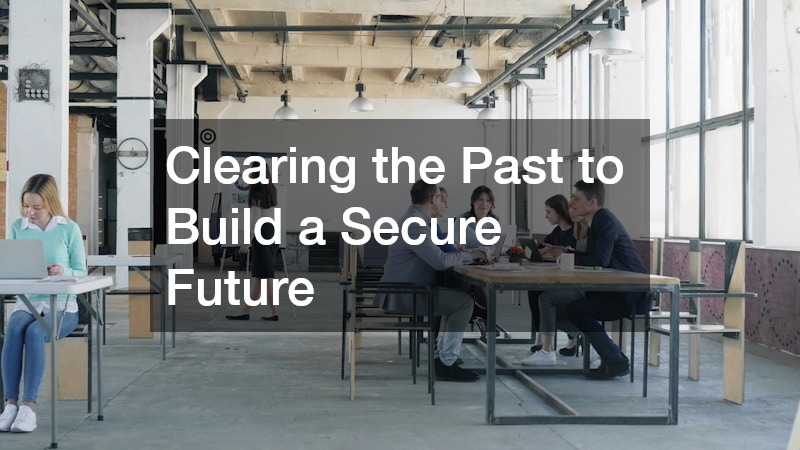
A physical office remodel offers a rare opportunity for companies to address operational clutter that has accumulated over decades of continuous tenancy. Legacy workspaces are frequently weighed down by ancient file rooms, obsolete storage lockers, and boxes of long-forgotten corporate documentation. These forgotten papers take up expensive square footage that could be repurposed for productive use, while simultaneously exposing the organization to serious data security and regulatory compliance risks. Before configuring new open-plan layouts or collaborative zones, management must implement a systematic data destruction process. Contracting an accredited professional service for secure document shredding ensures that old client records, outdated financial audits, and proprietary corporate plans are completely and legally destroyed.
These mobile destruction services often provide secure, locked consoles throughout the office during the clean-out process, making it simple for employees to discard sensitive paperwork safely without disrupting their daily routines. This proactive step clears out massive rows of bulky metal filing cabinets, instantly reclaiming valuable floor space for modern collaborative zones or quiet work pods. With the physical clutter eliminated, attention can turn toward upgrading the perimeter security of the building. Older commercial facilities often rely on mechanical brass keys that have been duplicated multiple times over the years, compromising total building security and asset protection.
Enlisting experienced commercial locksmiths to overhaul the property’s access points is essential for modern risk management. These security specialists can replace worn mechanical cylinders with electronic locking systems, smart card readers, or master key systems that offer detailed digital audit trails. This level of access control is particularly important for businesses handling confidential digital information, proprietary technology, or high-value physical inventory. Upgrading the locks protects physical assets while providing complete peace of mind for the management team and external stakeholders alike. Integrating certified document destruction with robust physical access management gives an older building a modern security standard that aligns perfectly with its upcoming visual updates.
Partnering for a Strategic Visual Overhaul
An energy-efficient, highly secure corporate headquarters is only half of the modern workplace equation; the space must also tell a compelling visual story to everyone who enters. A modern office should act as a physical expression of a company’s mission, cultural values, and professional standards. Translating an abstract corporate identity into physical walls, custom lighting, and specific layout configurations requires specialized artistic and architectural expertise. Collaborating with an experienced brand design agency allows a business to build a cohesive environmental narrative from the ground up. These design professionals look far beyond basic color schemes to evaluate how employees, clients, and partners actually experience the building’s architecture.
They identify unique structural features in legacy buildings, such as exposed timber beams, industrial brickwork, or historic concrete pillars, and find innovative ways to integrate them with modern corporate aesthetics. They consider how natural light interacts with different architectural angles and how specific materials feel to the touch. The agency maps out spatial layouts that encourage natural collaboration while ensuring that every single room communicates a consistent professional message. This strategic approach ensures that the interior redesign feels deliberate and unified rather than disjointed and piecemeal. It prevents a common mistake where different departments pick contrasting styles that clash in public hallways or shared conference rooms.
A well-planned environment reduces physical barriers between departments, encouraging spontaneous cross-functional conversations that lead to operational innovation. When a company’s physical footprint feels unified, it fosters a deep sense of shared purpose among employees who may have previously felt isolated in compartmentalized office structures. By establishing a unified visual blueprint early in the renovation process, an organization ensures that every subsequent material choice, fixture selection, and layout adjustment serves a grander corporate purpose. This creative foundation simplifies the entire decision-making process, giving builders, developers, and corporate managers a clear guide to follow as they transform the property.
Executing the Aesthetic Transformation with Precision
When the strategic design plans receive final approval, the actual manual work of transforming the office surfaces can begin on site. Color holds incredible psychological power in a professional environment, directly influencing employee mood, focus levels, and how spacious a room feels to visitors. Older offices are frequently plagued by yellowed acoustic tiles, dark wood paneling, or uninspiring color choices that create a drab, uninviting, and outdated atmosphere. Bringing in skilled commercial painters is the most efficient way to scrub away decades of visual neglect and introduce a clean, vibrant aesthetic to the facility. These paint professionals possess the specific technical expertise required to prepare old plaster, rough concrete, or degraded drywall surfaces, ensuring the new finish adheres flawlessly and resists daily scuffs.
They pay close attention to baseboards, window trim, and intricate ceiling details that DIY approaches or cutting corners methods often miss entirely. They can also provide guidance on selecting low-VOC and zero-emission paints, which prevent toxic fumes from compromising indoor air quality during and after the application process. Choosing a bright, light-reflective paint finish helps bounce natural sunlight deeper into dark floor plates, reducing the organization’s reliance on overhead artificial lighting systems throughout the workday. This choice directly assists the building’s energy efficiency targets while creating a cheerful, healthy environment for staff members.
A flawless paint application serves as the clean backdrop against which all other structural design elements will shine. Beyond a standard base coat, incorporating strategic accent walls can define specific operational zones within a large, open floor plan, steering eyes toward collaborative hubs or reception zones without needing physical barriers. This creative use of color brings a dynamic energy that makes old brick-and-mortar setups look cutting-edge. It instantly breathes fresh energy into old, tired walls, making the entire facility look immaculate, unified, and completely ready for modern business operations.
Designing Functional and Intuitive Interior Environments
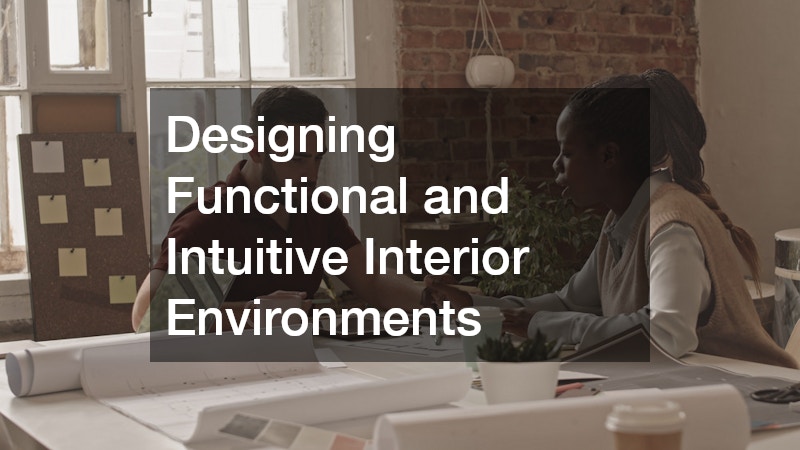
An immaculate physical shell must be paired with functional interior assets that support the dynamic, collaborative ways modern teams operate. The days of rows of uniform, isolated cubicle workstations have been replaced by a demand for agile, flexible environments that adapt to changing needs. Selecting the right office furnishing is essential for creating a space that enhances employee well-being, ergonomics, and daily productivity. Incorporating ergonomic sit-to-stand desks, modular conference tables, and comfortable acoustic breakout seating allows staff to tailor their immediate surroundings to the specific task at hand. When selecting these assets, procurement teams should favor sustainable manufacturers that utilize recycled or low-impact materials, reinforcing the building’s overarching eco-friendly mission.
Modern furniture options also address acoustic problems common in old buildings with high ceilings, utilizing specialized sound-absorbing fabrics to control ambient noise levels. As an office layout becomes more open and collaborative, the necessity for clear spatial guidance increases significantly across the floor plate. Installing high-quality interior signage is critical for keeping the workplace organized, efficient, and accessible to everyone. This comprehensive signage system includes clear room identifiers, directional markers for major amenities, safety compliance notifications, and large-scale architectural wall graphics that feature corporate mottos or branding.
Good wayfinding elements should integrate seamlessly with the furniture selections and wall colors, providing subtle guidance without disrupting the aesthetic flow of the space. Furthermore, standardizing navigational indicators ensures complete compliance with local accessibility guidelines, making the environment welcoming for all individuals regardless of physical mobility. This intentional combination of flexible furniture and intuitive pathfinding eliminates daily workplace friction, helping staff members feel supported, focused, and motivated as they move through their modernized workspace.
Creating a Powerful Impression with the Exterior Footprint
The extensive retrofitting of a legacy commercial building is only truly finished when the external face reflects the internal updates. The outside of a building represents an organization’s primary touchpoint with clients, potential hires, and the local community. Upgrading the main entryway with a prominent, professionally fabricated business sign ensures the brand commands attention in a competitive marketplace. A well-designed exterior sign clearly communicates permanence, professionalism, and forward momentum, acting as a visual anchor for the company’s local operations. It sets the tone for the client experience before a visitor even steps through the front doors.
When a business takes the time to transform an older property into an eco-friendly, modern hub, it projects a powerful message of corporate responsibility and forward-thinking leadership. It proves to the public that the enterprise respects its historical roots while investing heavily in sustainable, efficient operational practices for the future. This comprehensive approach to building retrofits transforms an aging real estate liability into a highly efficient corporate asset. The final result is a vibrant workspace that lowers utility expenses, minimizes carbon emissions, boosts employee morale, and stands as a physical representation of corporate excellence for many years to come.
