
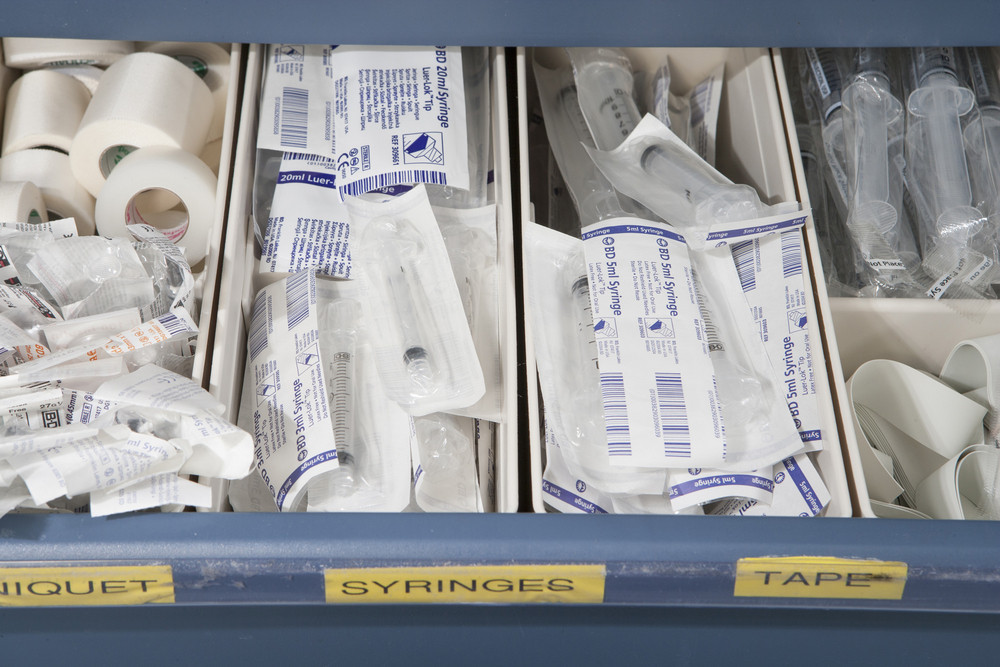
Accurate inventory tracking is critical to hospital operations, yet many healthcare organizations still struggle with missing equipment, expired supplies, and inconsistent data. Poor visibility into inventory can lead to delayed care, higher costs, compliance risks, and unnecessary staff frustration. The good news is that improving inventory tracking does not always require massive system overhauls. Small, practical changes—combined with the right technology—can deliver meaningful results.
- Standardize Inventory Processes Across Departments
- Assign Clear Ownership and Accountability
- Improve Labeling and Physical Organization
- Reduce Reliance on Manual Tracking
- Proactively Track Maintenance and Expiration Dates
- Use Cycle Counts Instead of Large Annual Audits
- Integrate Inventory With Other Hospital Systems
- How Medical Device Inventory Management Software Helps
- Train Staff and Reinforce Best Practices
Standardize Inventory Processes Across Departments
One of the most common challenges hospitals face is inconsistency. Different departments often track supplies and devices in different ways, using their own naming conventions, spreadsheets, or manual logs. This creates data silos and makes organization-wide visibility nearly impossible.
Start by standardizing how inventory is categorized, labeled, and recorded across all departments. Consistent item names, unit measurements, and tracking workflows improve data accuracy and make it easier to adopt centralized tools such as medical device inventory management software later on.
Assign Clear Ownership and Accountability
Inventory tracking often fails when responsibility is unclear. When “everyone” is responsible, no one truly is. Assign clear ownership at both the department and hospital-wide levels.
Designated inventory owners ensure counts are updated regularly, discrepancies are addressed, and restocking happens on time. Clear accountability also supports smoother adoption of digital systems and helps ensure inventory data remains reliable.
Improve Labeling and Physical Organization
Simple physical improvements can dramatically improve tracking accuracy. Poorly labeled shelves and cluttered storage rooms make it hard to find items or notice shortages.
Clearly label shelves, bins, and storage locations, and group similar items together. Ensure asset tags on equipment are visible and scannable. When physical organization aligns with digital records, inventory systems become far more effective.
Reduce Reliance on Manual Tracking
Manual inventory counts are time-consuming and prone to error, especially in busy clinical environments. While manual verification may still play a role, relying on spreadsheets or handwritten logs often leads to outdated information.
Introducing barcoding, scanning, or centralized platforms reduces errors and improves real-time visibility. Medical device inventory management software, for example, automates updates when equipment is moved, serviced, or taken out of use, minimizing gaps in data.
Proactively Track Maintenance and Expiration Dates
Hospitals must manage both consumable supplies and long-term medical devices, each with critical timelines. Expired supplies create waste, while missed device maintenance can lead to compliance issues or patient safety risks.
Tracking expiration dates and preventive maintenance schedules in one system helps teams stay ahead of issues. Automated alerts ensure supplies are rotated correctly and devices are serviced on time, rather than discovered late during audits or emergencies.
Use Cycle Counts Instead of Large Annual Audits
Annual inventory audits are disruptive and often reveal problems long after they occur. A simpler and more effective approach is cycle counting—reviewing smaller portions of inventory on a regular schedule.
Cycle counts keep data accurate throughout the year and make it easier to correct discrepancies quickly. When paired with digital tracking tools, this approach significantly reduces workload while improving confidence in inventory data.
Integrate Inventory With Other Hospital Systems
Inventory tracking becomes far more powerful when it is connected to purchasing, finance, and clinical engineering systems. Integration allows hospitals to align usage with ordering, budget forecasting, and maintenance planning.
For medical equipment, medical device inventory management software can integrate maintenance records, location data, and utilization trends into a single view, supporting better operational and compliance decisions.
How Medical Device Inventory Management Software Helps
Medical device inventory management software is specifically designed to simplify and optimize inventory processes in hospitals. Unlike spreadsheets, these platforms provide real-time tracking of devices, automated alerts for maintenance or expiration, and detailed usage history. They often include features such as barcode scanning, role-based access, and integration with electronic health records (EHRs) and purchasing systems.
By consolidating inventory data in one centralized platform, hospitals can:
-
Reduce lost or misplaced devices
-
Maintain compliance with regulatory requirements
-
Ensure preventive maintenance is completed on time
-
Optimize equipment utilization and reduce unnecessary purchases
For hospitals of all sizes, this software transforms inventory from a manual, error-prone task into a proactive, efficient process.
Train Staff and Reinforce Best Practices
Even the best systems fail without staff engagement. Training should explain not just how to track inventory, but why it matters. When staff understand the impact on patient care, safety, and efficiency, compliance improves naturally.
Ongoing training, clear documentation, and feedback channels help reinforce best practices and encourage continuous improvement.
Improving hospital inventory tracking does not require drastic changes. By standardizing processes, improving organization, reducing manual work, and adopting solutions like medical device inventory management software, hospitals can gain better visibility, reduce waste, and support safer patient care. Small, consistent improvements add up to stronger inventory control and a more efficient healthcare environment.
